What to Expect During a Commercial Foundation Inspection
People searching for what to expect during a commercial foundation inspection can rely on local contractors to assess foundation stability, identify issues, and ensure building safety.
Understanding what to expect during a commercial foundation inspection can provide property owners with valuable peace of mind. Whether planning for routine maintenance, addressing signs of structural concerns, or preparing for a property transaction, knowing the inspection process helps ensure that potential issues are identified early. Local contractors specializing in foundation assessments use a variety of techniques to evaluate the stability and integrity of a building’s foundation, offering insights that can prevent costly repairs down the line. Staying informed about what the inspection involves can make the experience more straightforward and less stressful for property owners.
For those in the area exploring foundation health, it’s important to recognize that a thorough inspection typically involves visual assessments, measurements, and possibly some minor testing or probing of the foundation. These steps help identify common problems such as settling, cracking, or water intrusion that could compromise the structure over time. Connecting with experienced service providers ensures that the inspection is comprehensive and tailored to the specific needs of the property. Continuing to read can help property owners understand how local pros approach these assessments and what to expect during the process.
- Commercial building assessments - property owners may need this work when evaluating the stability of a structure, and local contractors typically perform visual inspections and basic testing.
- Foundation crack evaluations - when cracks appear in a commercial foundation, service providers assess their severity and cause to determine necessary repairs.
- Soil stability inspections - in areas with shifting or problematic soil, local pros analyze ground conditions to identify potential foundation issues.
- Water intrusion investigations - signs of water damage or moisture problems prompt inspections to check for foundation vulnerabilities and drainage concerns.
- Structural integrity assessments - if a building shows signs of settling or uneven floors, service providers conduct thorough inspections to evaluate foundation health.
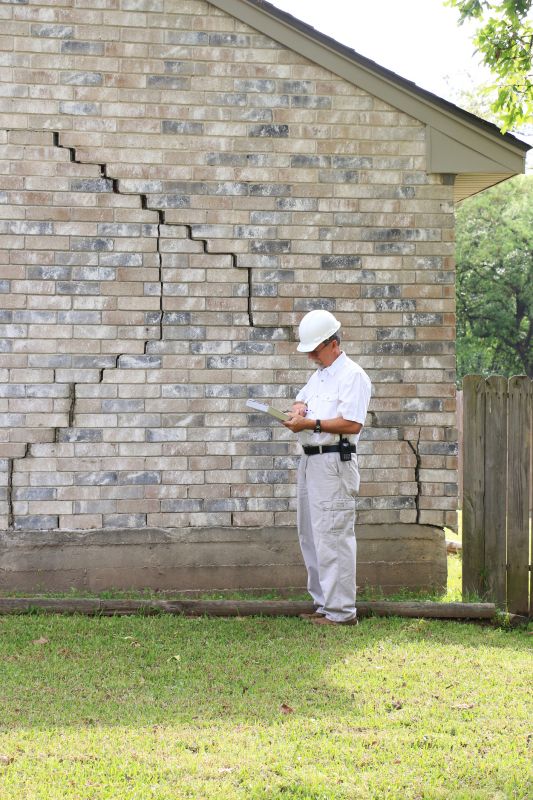


A commercial foundation inspection is a critical step in assessing the structural integrity of a property, especially for business owners, investors, or property managers. When searching for information about what to expect during this type of inspection, people often want to understand the process involved, the types of issues that might be identified, and how the inspection fits into broader plans such as repairs, renovations, or purchasing decisions. These inspections are typically conducted to evaluate the condition of the foundation, identify signs of damage or deterioration, and determine whether the structure meets safety standards. Knowing what to anticipate helps property owners prepare for the inspection and understand the importance of having experienced service providers handle the evaluation.
Commercial foundation inspections relate to a variety of property types, including office buildings, retail centers, warehouses, industrial facilities, and multi-family housing complexes. These properties often have large, complex foundations that require thorough assessment to prevent costly repairs or safety hazards down the line. Common problems that inspections seek to identify include cracks in concrete, uneven settling, water intrusion, or deterioration of support structures. For property owners planning renovations or expansions, understanding the foundation’s condition is essential before proceeding with construction work. Local contractors who specialize in commercial foundation inspections can offer insights into the specific issues that are common for different property types and help guide decisions based on the inspection findings.
During a commercial foundation inspection, professionals typically perform a visual assessment of the accessible areas around and beneath the building, looking for visible signs of distress such as cracks, bulges, or shifting. They may also use specialized tools or techniques to evaluate the stability of the foundation, including measuring levels and checking for movement or settlement. The inspection process often involves examining the foundation’s exterior, interior, and underground components, depending on the property’s design. Property owners can expect the inspection to be comprehensive, with the goal of identifying any existing problems or potential risks that could compromise the building’s safety or longevity. Service providers experienced in commercial foundation assessments can explain what specific issues to look for based on the property’s age, construction style, and condition.
Understanding what to expect during a commercial foundation inspection helps property owners and managers make informed decisions about repairs, maintenance, or investment opportunities. These inspections are a vital part of maintaining the safety and functionality of commercial properties, especially those with older or more complex foundations. Local service providers who specialize in foundation inspections bring the expertise needed to thoroughly evaluate the structure and provide clear, practical insights. They can help identify problems early, recommend appropriate next steps, and support property owners in protecting their investments. Knowing the scope and process of a commercial foundation inspection ensures that property owners are prepared and can confidently move forward with their plans.
Soil testing services - these projects involve analyzing ground conditions to assess stability, a skill set similar to evaluating foundation integrity during inspections.
Structural assessment projects - professionals evaluate building frameworks for signs of stress or damage, paralleling the inspection of foundation systems for issues.
Drainage and grading inspections - ensuring proper water flow around structures relates to foundation health and is often conducted by the same type of service providers.
Concrete testing services - testing the strength and condition of concrete elements shares techniques used in foundation evaluations.
Retrofitting and underpinning projects - these involve strengthening existing structures, requiring detailed inspections similar to those during foundation assessments.
Building envelope assessments - examining exterior walls and structural components aligns with foundation inspection skills used to detect underlying issues.
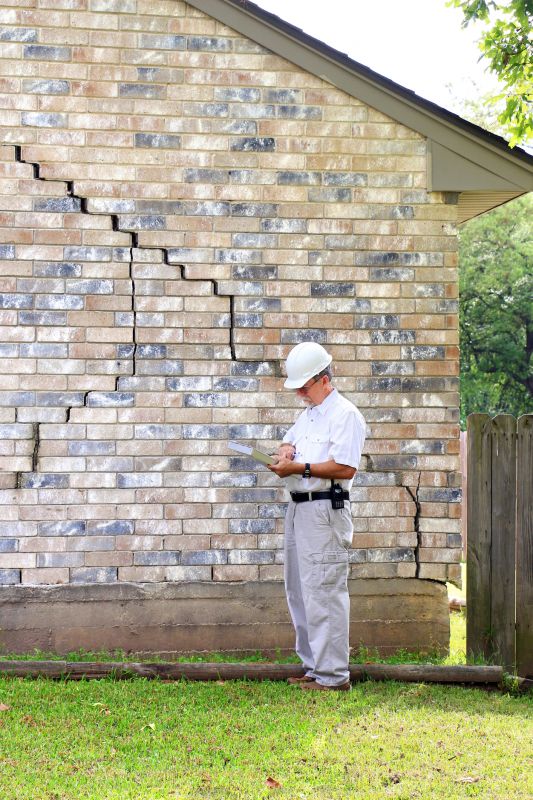
When evaluating commercial foundation inspection services, it is important to consider the experience of local contractors with similar projects. An inspection performed by professionals who have previously handled commercial properties comparable in size, structure, or usage can provide more reliable insights into potential issues and necessary repairs. Asking about their background in commercial foundation assessments helps ensure that the service provider understands the unique challenges and requirements associated with commercial structures, leading to a more thorough and accurate inspection process.
Clear, written expectations are essential when choosing a service provider for a commercial foundation inspection. A reputable contractor should be able to outline what the inspection will cover, including the areas of focus and the typical steps involved. Having these details in writing helps prevent misunderstandings and ensures that the homeowner knows what to anticipate during the inspection. It also provides a basis for comparing different service providers, making it easier to identify who offers comprehensive and transparent evaluation services.
Reputable references and effective communication are key factors when selecting local contractors for a commercial foundation inspection. Service providers with a history of satisfied clients or positive references can offer confidence in their professionalism and reliability. Additionally, good communication-such as responsiveness, clarity in explanations, and openness to questions-helps homeowners feel informed and involved throughout the process. Choosing a contractor who prioritizes clear communication and has a solid reputation can lead to a smoother inspection experience and better understanding of any findings or recommended actions.
Property owners often search for what to expect during a commercial foundation inspection when they are planning practical projects around their homes and businesses. Local pros provide Commercial Foundation Inspection services for everyday jobs and straightforward project options.
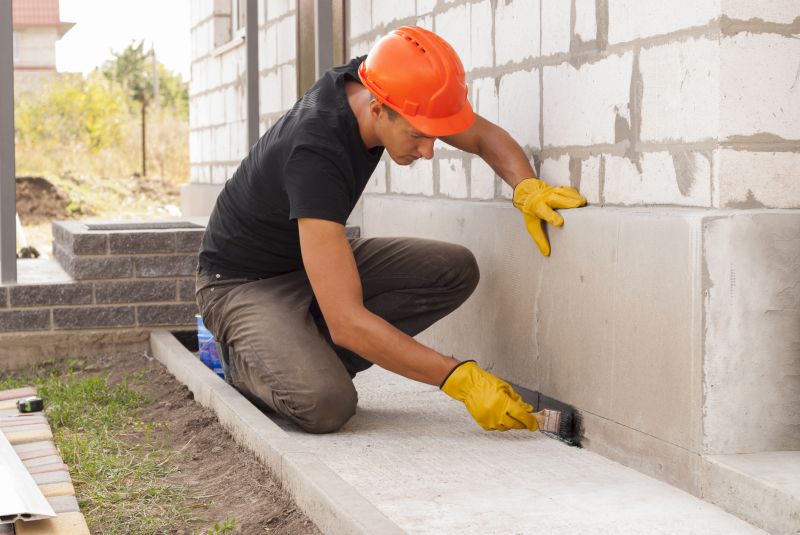

During a commercial foundation inspection, property owners can expect a thorough assessment of the building's structural base. Local contractors typically begin by visually examining the foundation for signs of damage, such as cracks, uneven surfaces, or water intrusion. They may also check the surrounding landscape for drainage issues or soil movement that could impact stability. This process helps identify any areas where the foundation may be compromised, providing property owners with a clearer understanding of the current condition of their commercial space.
Understanding what to expect during a commercial foundation inspection can be helpful for property owners who are experiencing signs of foundation issues or planning routine maintenance. Local service providers are equipped to evaluate the foundation's integrity and offer insights into potential repairs or preventative measures. Whether for a new property or an existing building showing early signs of concern, connecting with experienced contractors can help ensure the foundation remains stable and supports the long-term safety of the structure.
What happens during a commercial foundation inspection? During a commercial foundation inspection, local contractors evaluate the foundation for signs of damage, such as cracks, settling, or water intrusion, and assess the overall stability of the structure.
What areas do inspectors typically examine? Inspectors focus on foundation walls, footings, slabs, and any visible structural elements to identify potential issues that could affect the building’s integrity.
How do professionals identify foundation problems? They look for visible cracks, uneven floors, bowing walls, and other signs of movement or stress, often using specialized tools to detect underlying issues.
What should property owners expect during the inspection process? Property owners can expect the inspector to perform a visual assessment, possibly including measurements or probing, to determine the foundation’s condition.
Why is a foundation inspection important for commercial properties? It helps identify early signs of foundation issues, allowing for timely repairs that can prevent costly damage and ensure the safety and stability of the building.
Inspection process overview - Understanding what happens during a commercial foundation inspection helps property owners prepare for the assessment with local contractors.
Signs of foundation issues - Recognizing common indicators like cracks or uneven floors allows owners to discuss specific concerns with service providers.
Inspection tools and methods - Learning about the techniques used by local pros ensures property owners know what to expect during the evaluation.
Next steps after inspection - Knowing how service providers address foundation concerns helps owners plan for potential repairs or further evaluations.
If you are thinking about what to expect during a commercial foundation inspection for a property, this guide is meant to help you understand this topic, the typical project types, and how different options might fit your plans.
When you are ready, you can use the quote form on this page to share a few details about your project. From there, local pros can review the basics and follow up with options that match what you have in mind.